
Manitoba
Boreal wetlands to prairie grasslands
The natural diversity in Manitoba is something special. Its name derives from Manitou Ahbee, which is Anishinaabemowin for “where the creator sits.” In the south, tall grass prairies stretch on as far as the eye can see. Head northeast and behold the Heart of the Boreal, the largest continuous forest in the world. Along the Hudson Bay, polar bears roam. And out west, you’ll find some of the best hiking around. Wherever you go, limitless lakes dot the landscape. At the centre of it all is Lake Winnipeg, a massive, glacier-fed watershed that sustains countless species and communities.
Many of these life-giving ecosystems are under threat of industry. Logging is still allowed in provincial parks, putting boreal caribou and a host of migratory songbirds at risk. The prairies are nearly extinct. But there’s hope yet. Manitoba has been the epicentre of landmark agreements that recognize First Nations’ rights to manage their lands. Advancing reconciliation and amplifying Indigenous approaches to caring for nature is at the core of all our Manitoba campaigns. The Wilderness Committee fights to protect the endangered prairies and all the nature and wildlife that makes the province so extraordinary.
Manitoba Provincial Parks
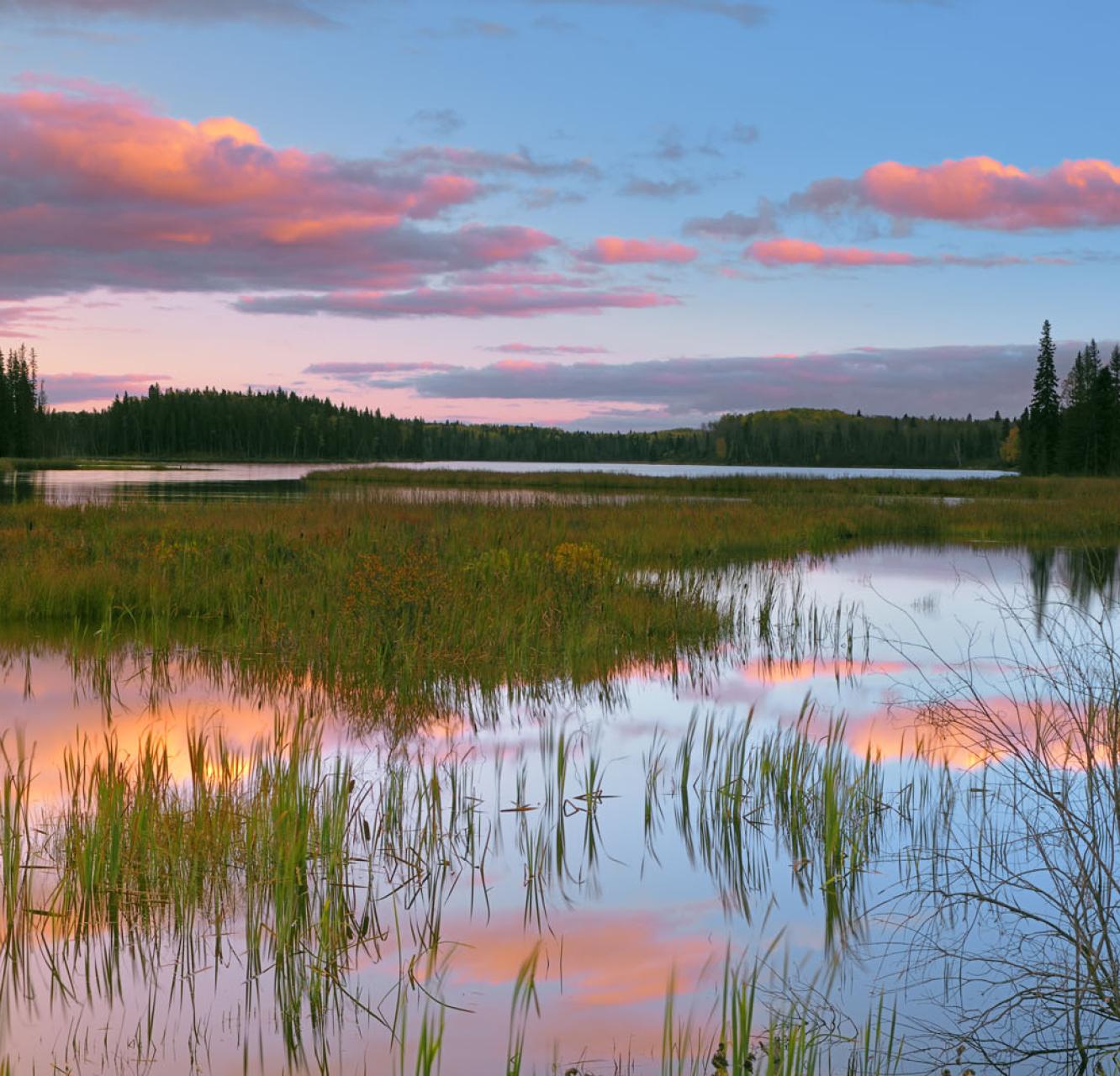
Provincial parks in Manitoba are home to sparkling lakes, clear rivers, sandy beaches and wild boreal forests.
Boreal Caribou
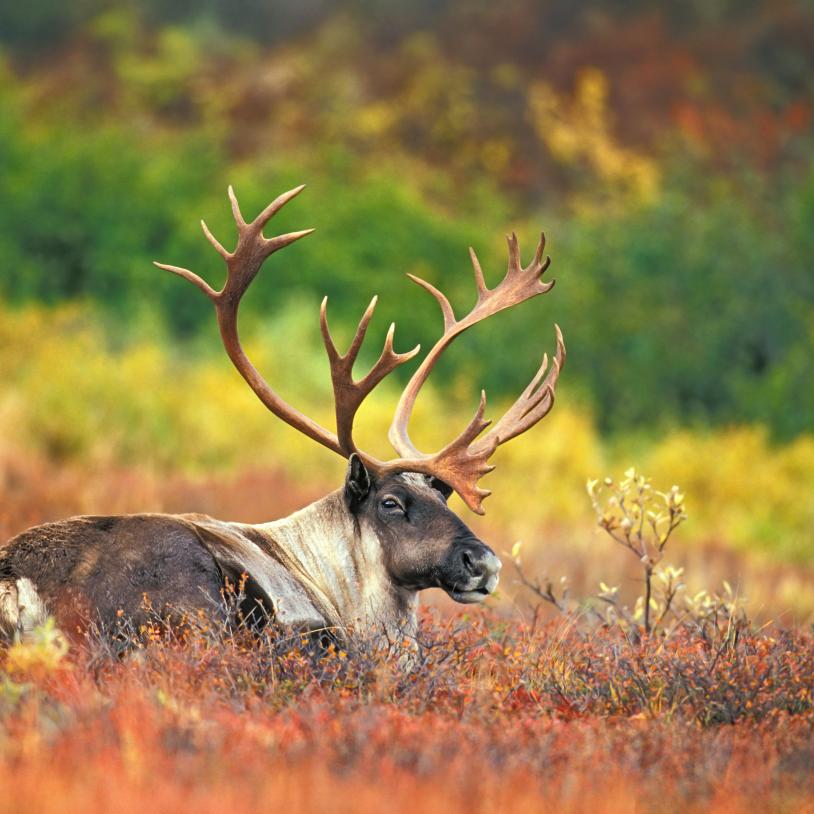
Protecting caribou habitat reflects our commitment to preserving the boreal forest from industrial development.
Manitoba Climate Justice
Manitoba Conservation Vision
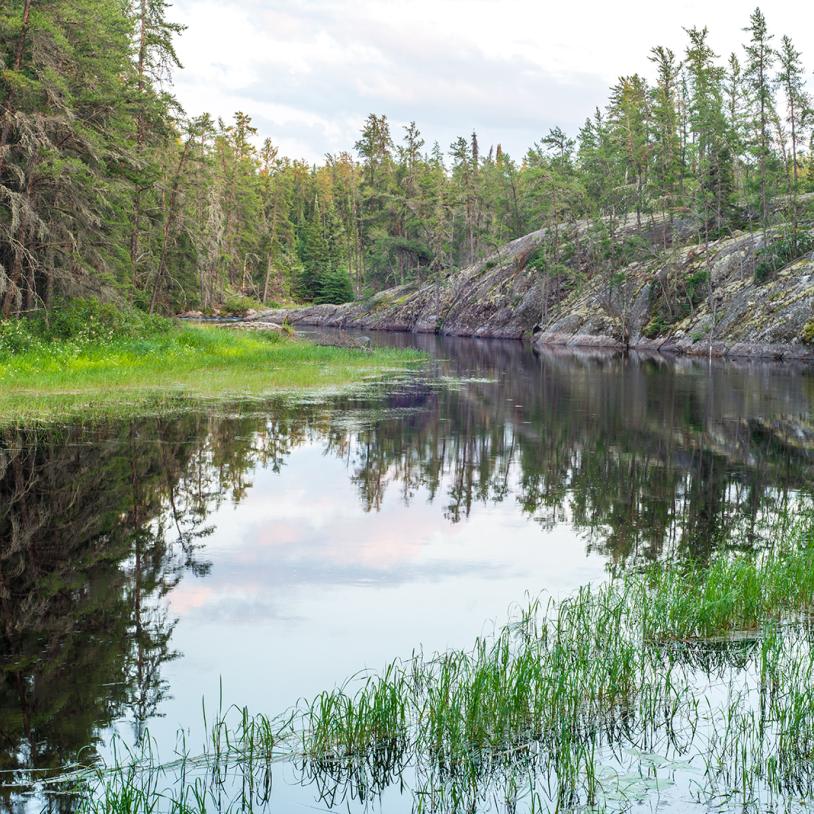
Many remaining natural ecosystems in Manitoba are under direct threat from development.
What’s New in Manitoba
Check out the latest wins, urgent issues, and big stories unfolding in Manitoba.

Sio Silica should stop advertising while impact assessment underway

New report outlines vision to protect and grow Nopiming Park after 2025 fires

Take Action
Here’s where your voice can matter most in Manitoba. Uncover the pressing issues for nature and climate in Manitoba that we’re speaking up for today.
Get the military base out of Nopiming Park


Growing Nopiming Park after the fire
The wonder we feel in nature is easy to describe. Because nature rules! But how nature works together to make a livable world for us is far more difficult to grasp. Water and insects, trees and animals, fungus and fish…everything has to live in balance on our planet in order for our society to stay stable. We need to actively care for intact nature…for biodiversity.


Get in Touch
Whether you’re looking for more information about our work, need event details or want to make a donation to support our work, don't hesitate to reach out.
Manitoba Office
Unit 2A - 553 St. Mary's Road
Winnipeg, MB R2M 3L4
Treaty One Territory, Homeland of the Métis Nation
Monday to Thursday, 9 a.m. to 4 p.m.
Careers
Join our team of spirited changemakers committed to a better future.
Volunteer
Be at the heart of a movement that cares about nature and wildlife as much as you do.
Manitoba News
Don’t miss your chance to make a difference. Receive campaign updates and important actions you can take to protect wildlife, preserve wilderness and fight climate change.
Manitoba Campaigns
Boreal Caribou
Protecting caribou habitat reflects our commitment to preserving the boreal forest from industrial development.
Manitoba Climate Justice
Manitoba Conservation Vision
Many remaining natural ecosystems in Manitoba are under direct threat from development.
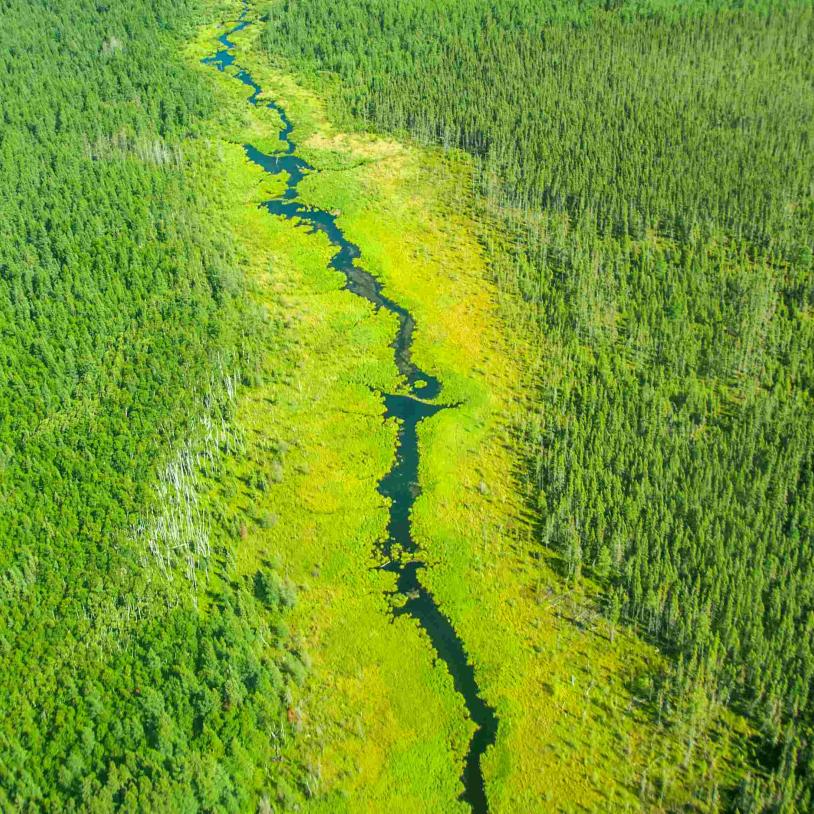
Peat Mining
To combat climate change and safeguard these irreplaceable ecosystems, we must stop all new peat mining operations.
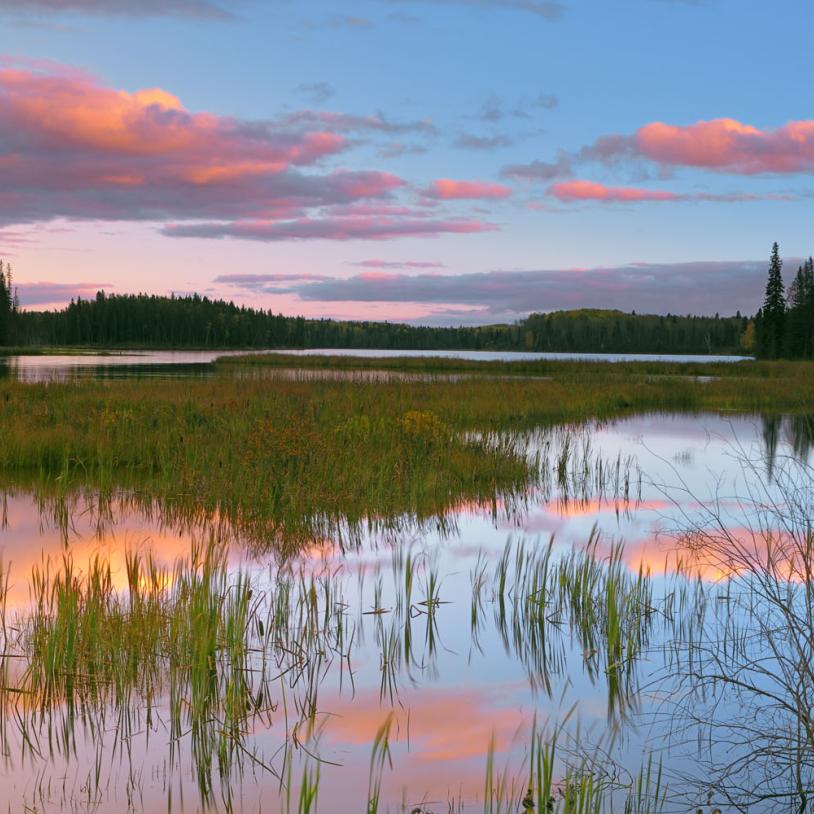
Manitoba Provincial Parks
Provincial parks in Manitoba are home to sparkling lakes, clear rivers, sandy beaches and wild boreal forests.