B.C. Old‑Growth
Values forests hold
When you step into an old-growth forest, the atmosphere changes. Sunlight filters through towering canopies, the ground is soft with centuries of undergrowth, fallen trees and soil, and the silence hums with life. These ancient ecosystems, some more than 10,000 years old, are far more than just beautiful; they are irreplaceable.
Old-growth forests store vast amounts of carbon, provide shelter for endangered species and regulate water systems far beyond their borders. They have supported and been inhabited by people for thousands of years, but industrial logging threatens to end that legacy. The complexity of old-growth forests can't be replicated by replanting trees. Once they are cut, they’re gone for generations, and may never return. Protecting old-growth forests isn’t just about saving trees; it’s about preserving incredibly rare ecosystems and all the values they hold, before they are lost forever.
B.C. Government’s “working forest model” only works for logging companies

Take Action
Make Eby choose facts over forest industry fiction

What's old-growth?
Old-growth forests in B.C. are defined by their age, typically over 250 years old in rainy areas and 140 years in drier regions. This contrasts with primary forests, which have never been disturbed by industrial activity but may still be relatively young, such as forests recovering from recent wildfires.
Importantly, old-growth and primary forests are not all the same; they’re diverse communities of many species of plants, animals, fungi and other living things, all holding unique values supported by how long these ecosystems have existed in the landscape. Some old-growth forests are highly productive, with huge trees and lots of moss and ferns underneath. Others are slow-growing and located in harsh conditions, such as mountain tops or bogs. Though these offer various ecological, cultural and spiritual values, it’s often the highly productive, large-tree old-growth forests that are targeted for logging.
Protecting an irreplaceable legacy
What all old-growth forests share is that they are rare. Only about 20 per cent of forested area in B.C. remains as old-growth, with roughly a third of that protected. Much of the protected old-growth consists of sparse, slow-growing trees in mountainous parks, not the lush, highly productive big-tree forests most people associate with old-growth. Today, 13.3 per cent of forested land in B.C. is unprotected old-growth, much of which is smaller trees. Only around three per cent of highly productive old-growth remains.
While protecting these old-growth forests will not actually impact a large area of land, it is crucial for preserving a diversity of complex ecosystems with irreplaceable ecological, cultural and spiritual value.
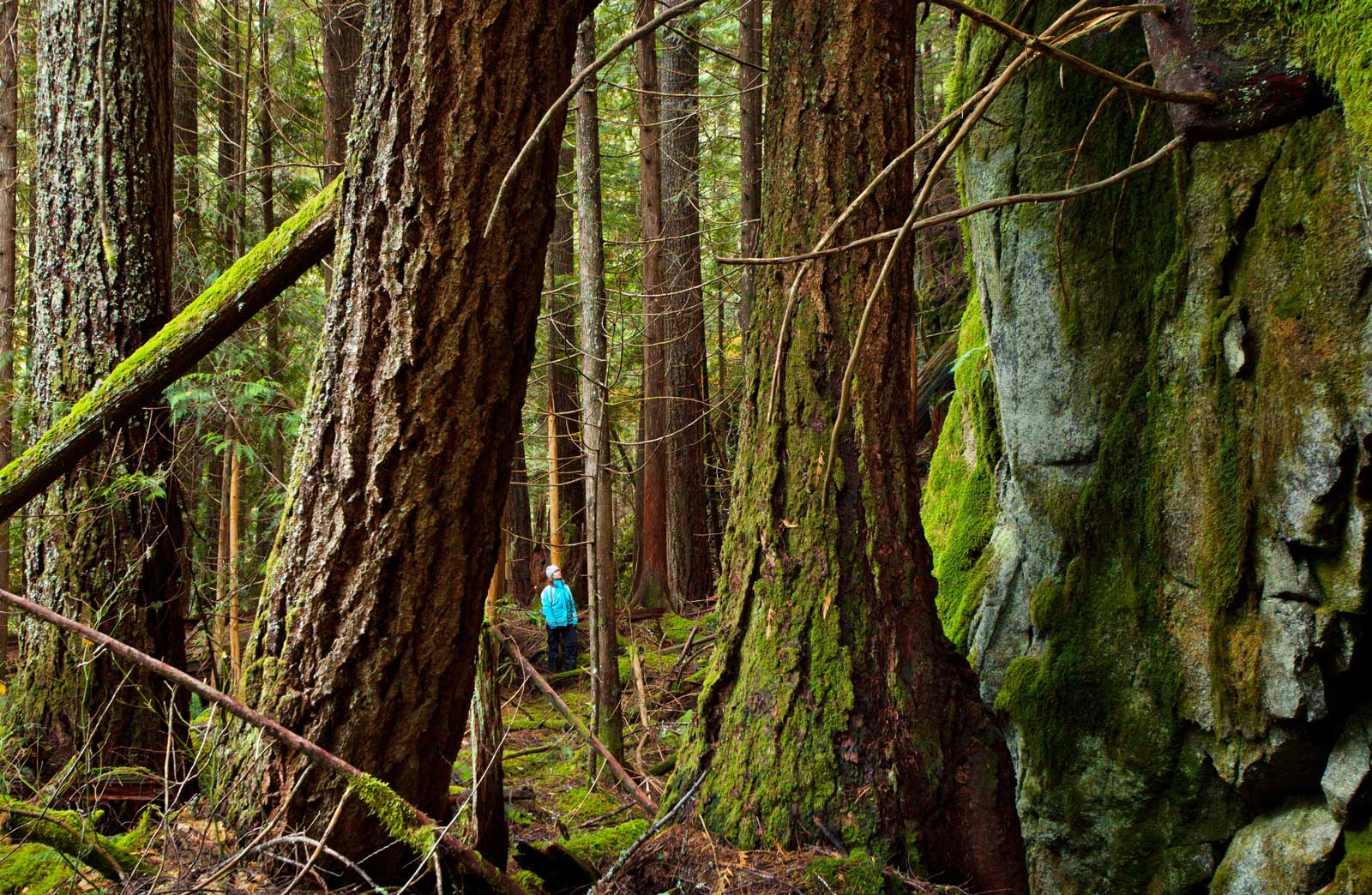
Old-growth needs protection
Old-growth forests are critical for recreation, climate resiliency and culture — values that people in B.C. hold dearly. Yet, these ecosystems are incredibly rare, and becoming scarcer every day that logging continues. In B.C., old-growth forests store more carbon per hectare than almost any other ecosystem in the world, making them critical allies in the fight against climate change. Their layered structure supports a massive range of biodiversity, including threatened species like the marbled murrelet, old-growth specklebelly lichen and spotted owl. They also play crucial roles in regulating water cycles, preventing erosion, and buffering communities from extreme weather and wildfires.
But old-growth forests are not just ecological treasures — they are deeply woven into the cultural, spiritual and economic lives of Indigenous Nations. For Indigenous Peoples, these forests are home, medicine cabinets, storybooks and ancestors. Logging them is not just environmental destruction; it’s cultural erasure. Despite their immense value, the most productive old-growth forests — those richest in biodiversity and carbon — are now largely gone, with less than three per cent remaining in B.C. Protecting old-growth is about respecting what cannot be replaced. These forests are not resources to extract, but living legacies to honour, defend and pass on to future generations.
Yet old-growth logging continues
The Old Growth Strategic Review (OGSR), released in 2020, was billed as a turning point for forest management in B.C. It contains 14 recommendations calling for an immediate pause in logging in at-risk old-growth forests, referred to as logging deferrals, and a shift toward ecosystem-based management. But five years later, it has instead become a case study in political delay.
The government’s initial deferrals were deeply misleading. Of the 353,000 hectares announced, less than 1 per cent protected the most endangered, high-productivity old-growth. The remaining areas focused on less commercially valuable forests or zones that were never slated for logging. Even after expanding deferrals to 2.4 million hectares, much of the most threatened old-growth forests remain unprotected and still open to logging. In many cases, logging has continued in areas under review, despite supposed deferrals. Instead of decisive protection, the government handed responsibility to an industry-dominated process that prioritizes maintaining the status quo over conservation, without clear timelines, enforcement or transparency.
Meanwhile, thousands of hectares of irreplaceable old-growth forests have been cut. The OGSR offered a roadmap for transformative change, but the province has chosen stall tactics over meaningful action. Old-growth forests don't have time for bureaucracy or public relations spin; they need permanent protection, now! Anything less is a betrayal of science, public trust and our future generations.
At-risk old-growth forest and approved, pending and proposed logging in B.C.
Consistency is key
Consistent action is the only path forward if B.C. wants to truly protect remaining old-growth forests and build a sustainable future. Relying on one-off announcements and temporary deferrals has merely allowed logging to continue under a false illusion of progress. Real change requires public pressure — clear, sustained and loud.
Governments act when people refuse to let the issue fade. That means demanding permanent protections, Indigenous-led stewardship and full implementation of the Old-Growth Strategic Review — not just once, but again and again. Forests can’t speak for themselves, but we can. Keep showing up, speaking out and demanding change, because silence is what allows the destruction to continue.

Join The Movement For Old-Growth Forests
Did you know that in 2025, old-growth forests are still being logged? Despite years of hard-fought wins like the Tla-o-qui-aht First Nation and the Ahousaht regaining land management and huge acts of civil disobedience, the fight for the forests is far from over. It’s tiring, but we can’t give up! Watch our video and join the movement in defence of old-growth forests in B.C. We’ve won before and we can win again.
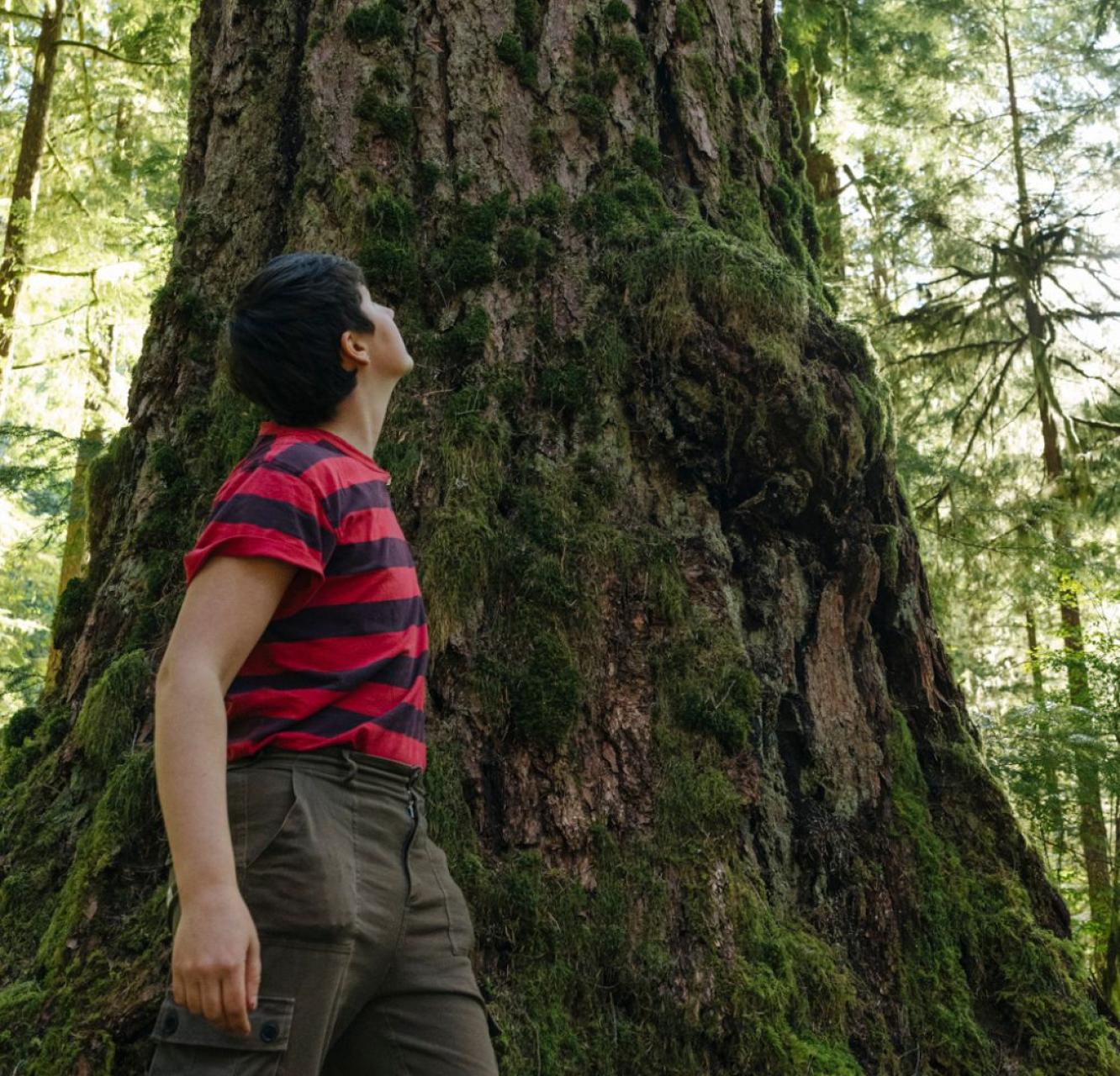
Old-Growth, Old Lies
The logging industry has long been controlling the narrative around what’s happening in forests. They started by displacing Indigenous People from their lands to hide the extent of environmental destruction, and they have continued to shape the story through messaging and propaganda. We can resist this control by staying informed about what is truly happening with old-growth forests. Read our latest publication to learn more.

Campaign Gallery
Check Out More Updates

B.C. Government’s “working forest model” only works for logging companies

Last large old‑growth forest on southern Vancouver Island off limits to public

Newest B.C. forestry review fails to protect old‑growth
Provincial Forestry Advisory Council report recycles past reviews, continues “talk-and-log” in B.C. VICTORIA/UNCEDED...
Donate To Protect Nature
Give today to keep the nature we need free from industrial development and exploitation. Your donation goes towards creating more resilient ecosystems and supporting Indigenous-led protection of the land.

Join Us
Don’t miss your chance to make a difference. Receive campaign updates and important actions you can take to protect wildlife, preserve wilderness and fight climate change.